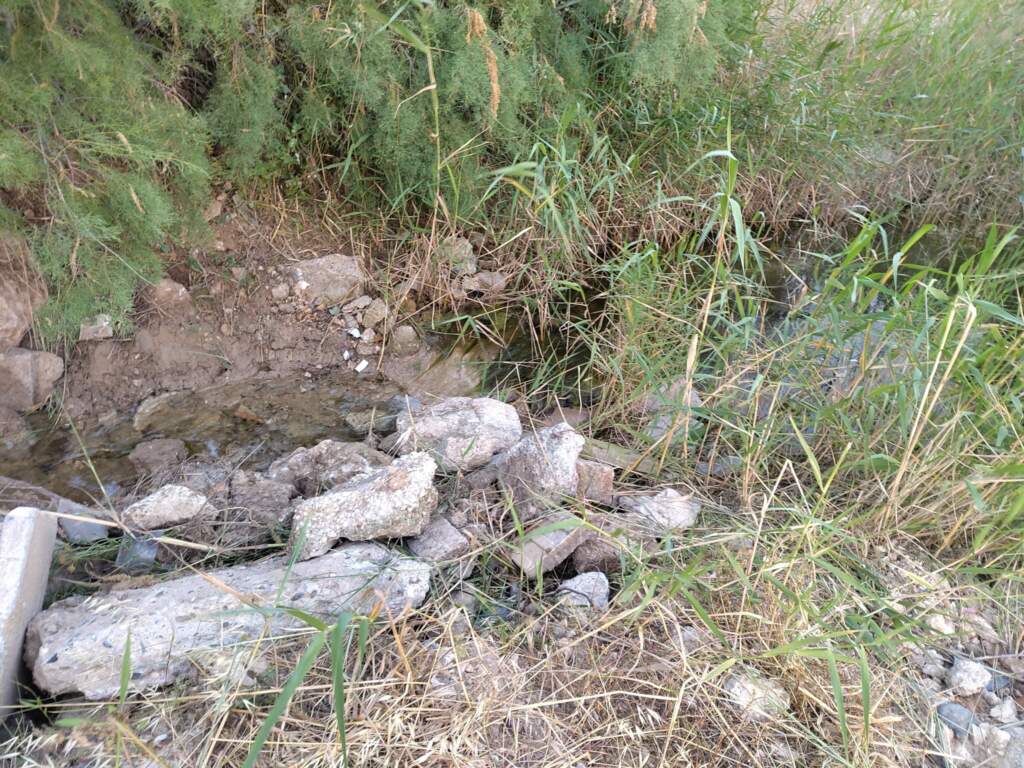



Terra Cypria – The Cyprus Conservation Foundation stresses that the drainage of Paralimni Lake, which began last Tuesday, 05/11/2026, through the removal of the embankment that held back the water and the opening of the channel leading it to the sea, inevitably causes significant negative impacts on the conservation objectives and the integrity of the Natura 2000 site.
The decision to drain Paralimni Lake, following a request submitted by the Municipality of Paralimni–Deryneia citing increased mosquito populations and high salinity of the aquifer, was approved by the competent authorities responsible for the protection and management of the Natura 2000 area. However, this decision violates the provisions of existing legislation and is irregular, as it was taken without following the legally required procedures and without transparency, adequate justification, or scientific documentation.
Lake ParalimniParalimni Lake is one of Cyprus’ most important natural wetlands and has been designated as part of the Natura 2000 network due to its exceptional ecological value. The Special Area of Conservation and Special Protection Area of Paralimni Lake hosts important and protected natural habitat types, as well as significant and protected species of wildlife and birdlife.
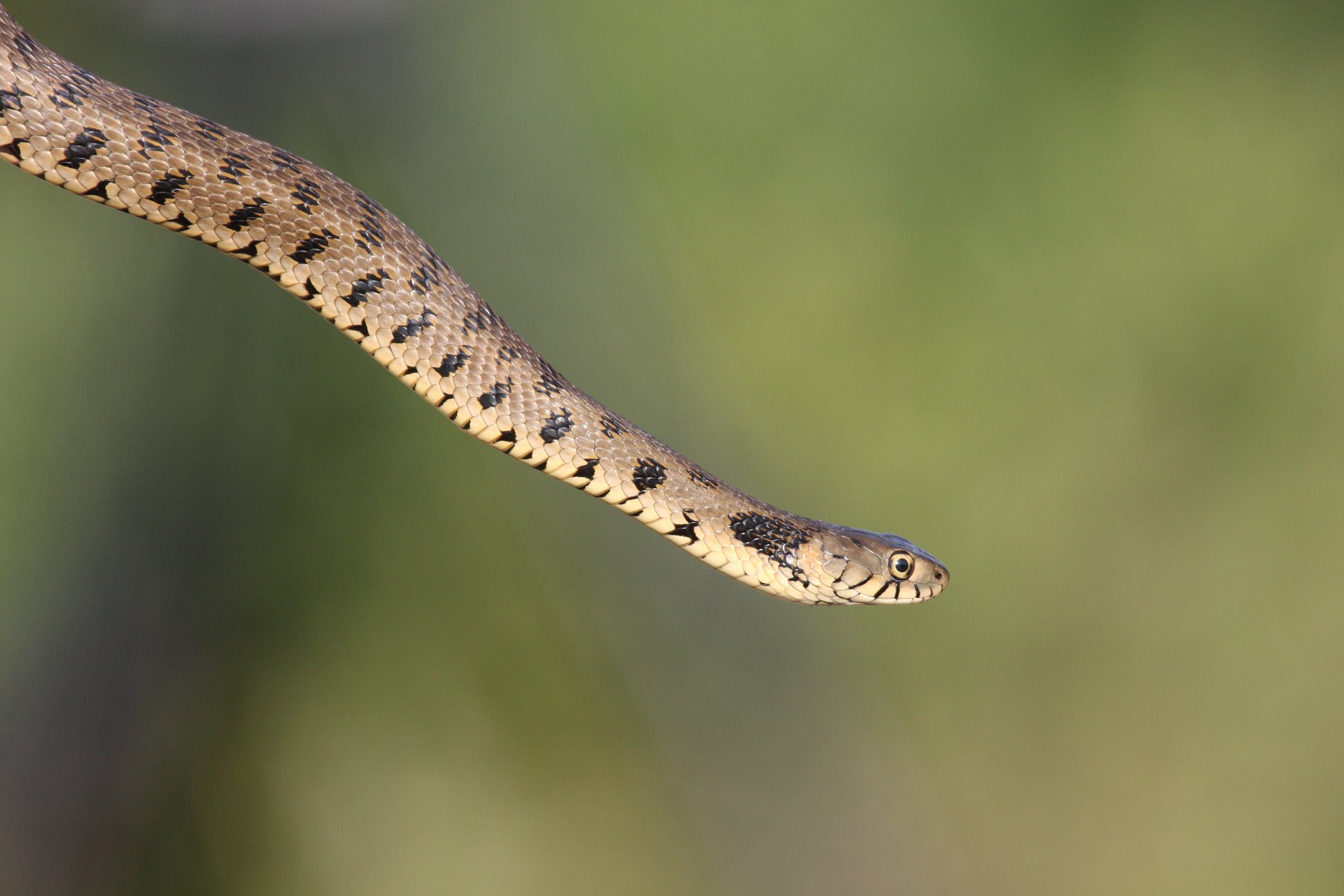
Paralimni Lake is one of the most important habitats of the endemic Cyprus Grass Snake ( Natrix natrix cypriaca ), a priority species and a key qualifying feature of the Natura 2000 site. Since the species’ breeding season begins in late spring, the presence of water and suitable microhabitats during this period is critical for its survival.
Additionally, Paralimni Lake is one of the most important breeding habitats for aquatic and wading bird species in Cyprus, such as the Spur-winged Lapwing ( Vanellus spinosus ), the Black-winged Stilt ( Himantopus himantopus ), and the Kentish Plover ( Charadrius alexandrinus ), all of which are also priority species and qualifying features of the Natura 2000 site. As these species nest and reproduce in the area from mid-March to early July, mainly in shallow waters and muddy lake edges, maintaining the water balance and water presence is crucial for egg incubation and chick survival.
Any abrupt changes in water levels during the nesting and breeding season of wildlife and bird species can lead to nest abandonment, loss of nests and habitats, while the presence of water around nests protects birds from predators such as foxes, cats, and dogs.
The drainage of Paralimni Lake in mid-May is not supported by any scientifically documented water balance management study, violates the provisions of existing legislation, and is irregular. The decision appears to have been taken without following the legally required procedures. The justification for drainage—mosquito increase and high aquifer salinity—is not supported by any relevant study or environmental approval. On the contrary, abrupt changes in water levels and the lake’s hydrological balance are among the most significant pressures and threats to the protected features (species and habitats), the conservation objectives, and the integrity of the Natura 2000 site, as explicitly stated in the Standard Data Forms and Management Plans of the protected area.
Regarding the provisions of existing legislation, and according to:
- Article 21 of the Law on the Protection and Management of Nature and Wildlife , intentional disturbance of wildlife species of Community interest during the breeding season, as well as any damage, destruction, or disturbance of their breeding sites, is prohibited.
- Article 8 of the Law on the Protection and Management of Wild Birds and Game , intentional destruction or damage of nests and eggs of wild birds of Community interest, as well as intentional disturbance—especially during breeding and chick‑rearing periods—is prohibited.
- The 2015 Priority Measures Decree for the Special Area of Conservation “Paralimni Lake – CY3000008” (KDP 137/2015) , which includes measures such as improving the conservation status of the Cyprus Grass Snake and its habitats, maintaining amphibian populations that form its main food source, preserving bird habitats in favorable condition, improving water resources and wetland ecosystems, and restricting or prohibiting activities that may significantly impact the area.
- The 2022 Decree on the Management and Protection of the Special Area of Conservation “Paralimni Lake – CY3000008” , which prohibits water diversion, extraction, or removal from the lake, ponds, channels, or river; drainage of the lake through the northern open drainage channel; destruction or disturbance of habitats; intentional destruction of eggs or disturbance of young wildlife; and damage or disturbance of breeding sites of fauna and bird species in the area.
Furthermore, the request for the drainage of Paralimni Lake has not undergone a Special Ecological Assessment (Appropriate Assessment) to evaluate its impacts on the conservation objectives and integrity of the Natura 2000 site. No relevant study has been published, nor has any approval been issued to justify or document that the activity will not have significant negative impacts on the Special Area of Conservation and Special Protection Area of Paralimni Lake.
Based on the above, Terra Cypria calls for:
- the immediate termination of the drainage of Paralimni Lake,
- the completion and implementation of the hydrological study’s recommendations to determine the required water balance of the lake,
- the establishment of a Management Committee for Paralimni Lake, which will make decisions based on scientific data and the hydrological study,
- the correct implementation of existing legislation and full compliance with legally required procedures.
Otherwise, Terra Cypria warns that the Republic of Cyprus may once again face the risk of referral to the Court of Justice of the European Union, following the previous judgment of 03/15/2012 in case C‑340/10, due to inadequate protection of Paralimni Lake, tolerance of activities that endanger its ecological characteristics, failure to take necessary measures for the protection of the endemic Cyprus Grass Snake, and failure to establish and implement a strict protection regime for the species.