
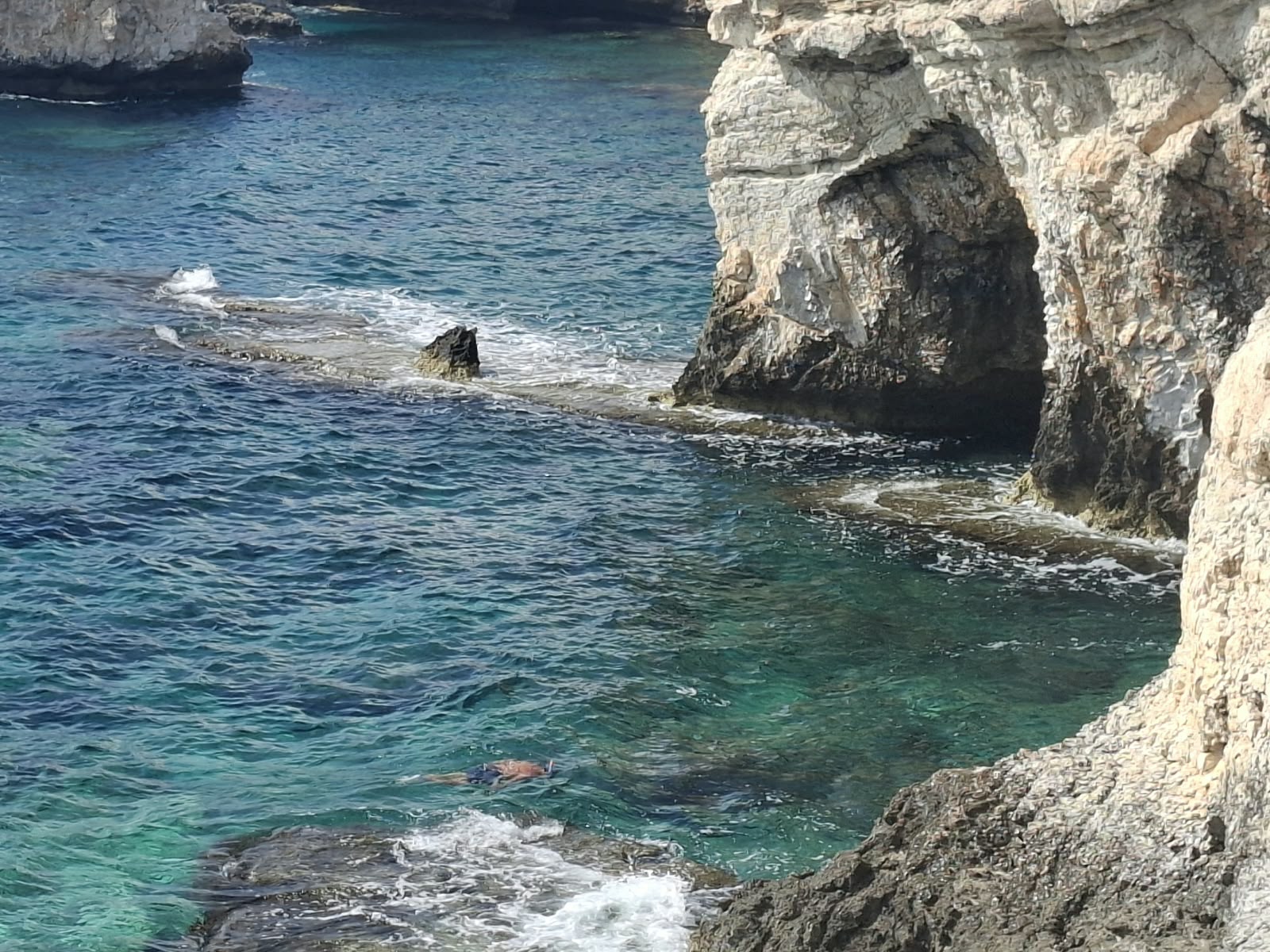
The Mediterranean monk seal (Monachus monachus) is the rarest of the 33 seal species worldwide. It is classified as Vulnerable on the International Union for Conservation of Nature (IUCN) Red List of Threatened Species and is considered the most endangered marine mammal in Europe. Its global population is estimated at approximately 1,000 individuals, half of which inhabit the marine waters of Greece, while the population in Cyprus is estimated at around 20–22 individuals (2025 estimate).
In Cyprus, Mediterranean monk seals give birth to their pups in sea caves, mainly during the autumn months, between September and December. Mothers often leave their pups in these caves while searching for food. Human disturbance is one of the main causes of mothers abandoning their newborn pups, as well as pregnant females abandoning suitable and safe shelters.
The main threats to the species include:
- Habitat loss and degradation, urbanisation of surrounding areas, and tourism-related pressures resulting from various recreational activities.
- Marine pollution, which can negatively affect the animals’ health through the accumulation of toxins and microplastics in their bodies via the food chain.
- Accidental entanglement of young and newborn seals in fishing gear.
- Overfishing, which negatively affects the species by reducing the availability of food.
- Climate change, which can unpredictably affect marine ecosystems, including sea caves, through increasingly frequent and intense weather events. These conditions can increase pup mortality and, in the long term, negatively affect the suitability of the species’ coastal habitats, primarily due to rising sea levels.
- The spread of diseases and epidemics among wild populations, which poses a significant threat to the species and its population in the Mediterranean.
Along the coastal waters of Cyprus, 17 sea caves have been identified as suitable refuges for the species and are monitored as important habitats for the Mediterranean monk seal. These refuges are classified as breeding caves when reproductive activity has been confirmed, or as resting caves when their use by Mediterranean monk seals has been recorded.
The most important areas for the Mediterranean monk seal within the territory under the effective control of the Republic of Cyprus are the Akamas Peninsula, Cape Greco, and Agios Georgios Alamanou. Within the Sovereign Base Areas, the most important locations for the species are the Akrotiri Peninsula and Cape Pyla.
Between 2019 and 2025, four important areas for the conservation of the Mediterranean monk seal were identified within the territory under the effective control of the Republic of Cyprus. These include the Peyia Sea Caves and the Halavro Sea Cave on the Akamas Peninsula, the Ayia Napa Sea Caves at Cape Greco, and the sea cave at Agios Georgios Alamanou.
Pursuant to Article 5A of the Fisheries Law (Cap. 135), these sea caves have been designated as Marine Protected Areas (MPAs) for the protection of fisheries resources and aquatic organisms.
Within the core areas of these MPAs, the following activities are prohibited:
- Fishing by any means, with the sole exception of licensed professional coastal fishing within the buffer zones surrounding the MPAs.
- The passage and anchoring of vessels or other floating craft, including non-motorised vessels.
Although the Ayia Napa Sea Caves at Cape Greco constitute one of the most important habitats for the Mediterranean monk seal, supporting one of the largest subpopulations of the species in Cyprus, the prohibition on the passage and anchoring of vessels or other floating craft applies only from 1 November to 30 April each year.
This is in contrast to the corresponding prohibition in the other MPAs, including the Peyia Sea Caves, Halavro Sea Cave, and Agios Georgios Alamanou Sea Cave, where restrictions remain in force throughout the year.
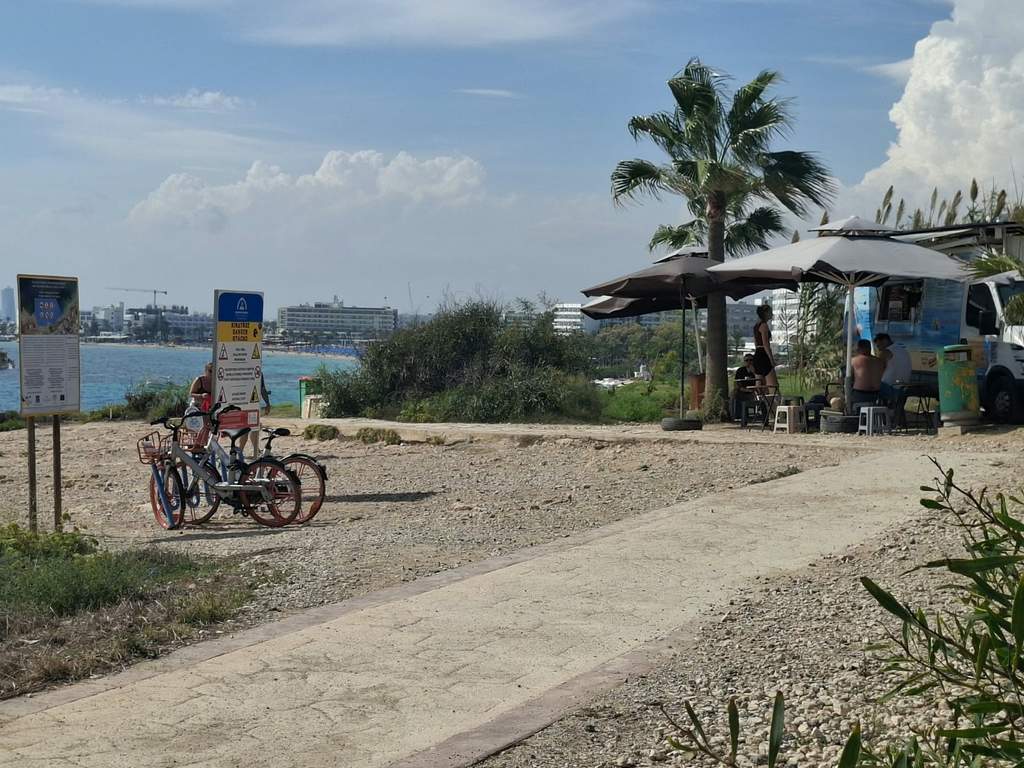
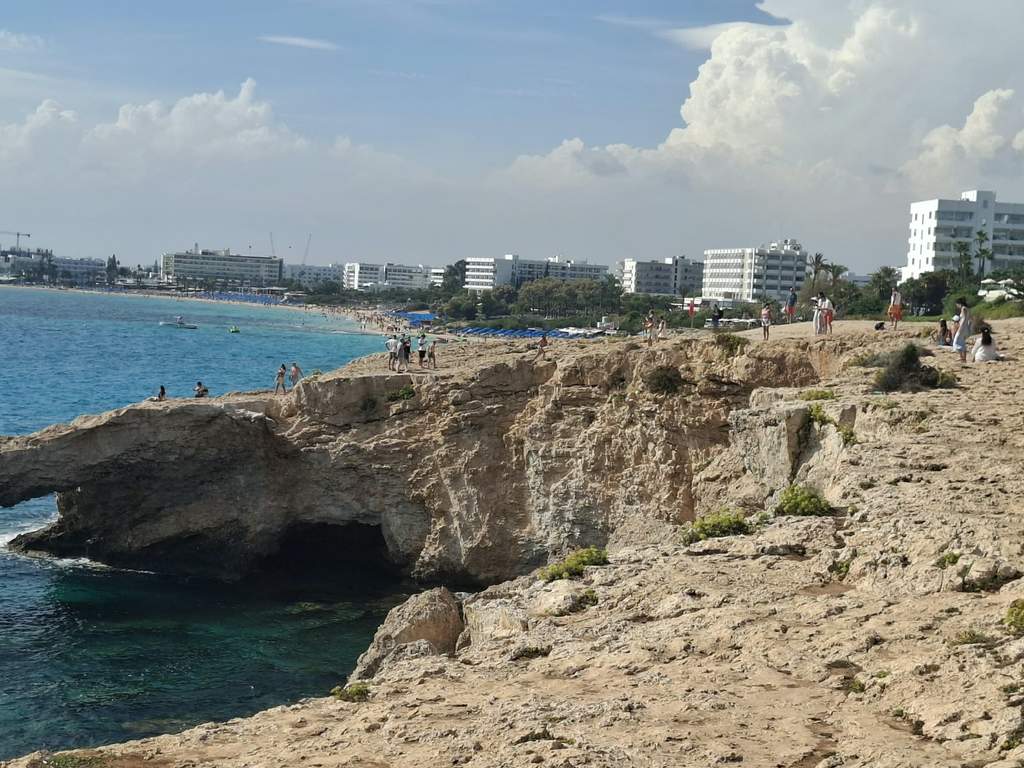
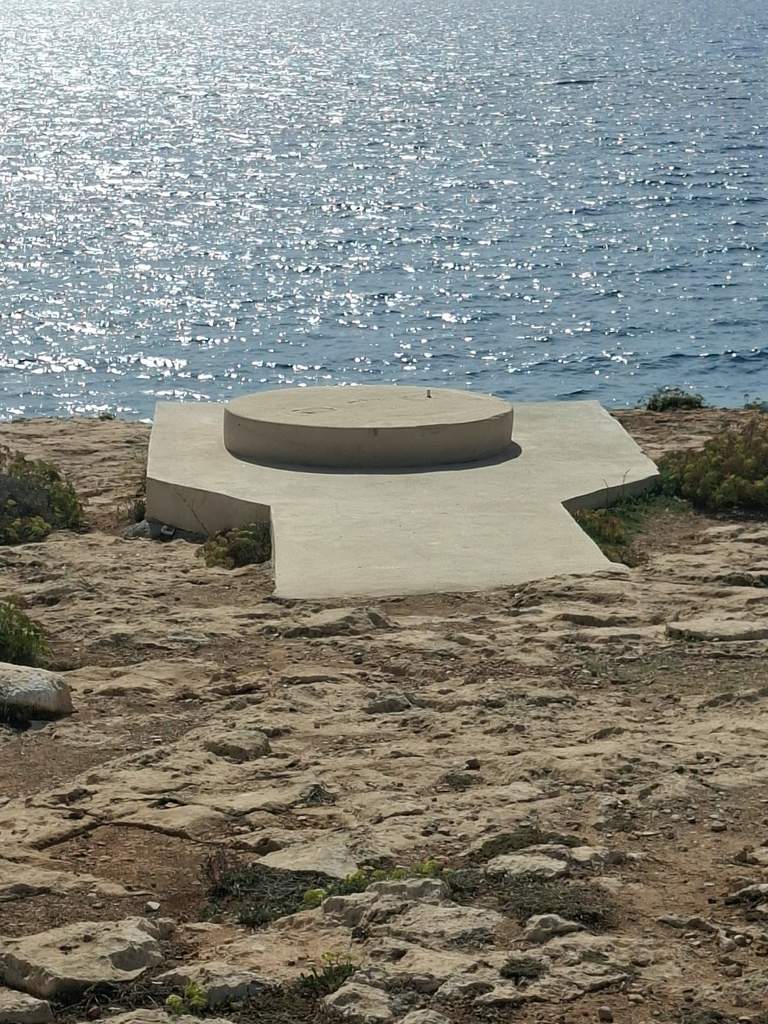
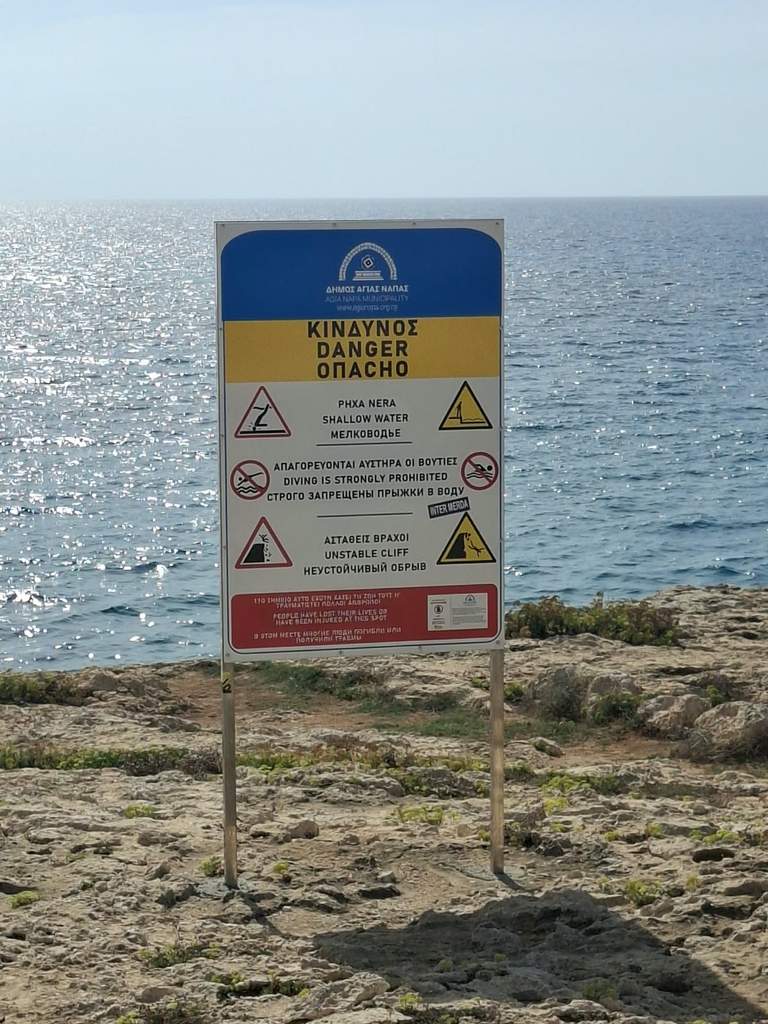
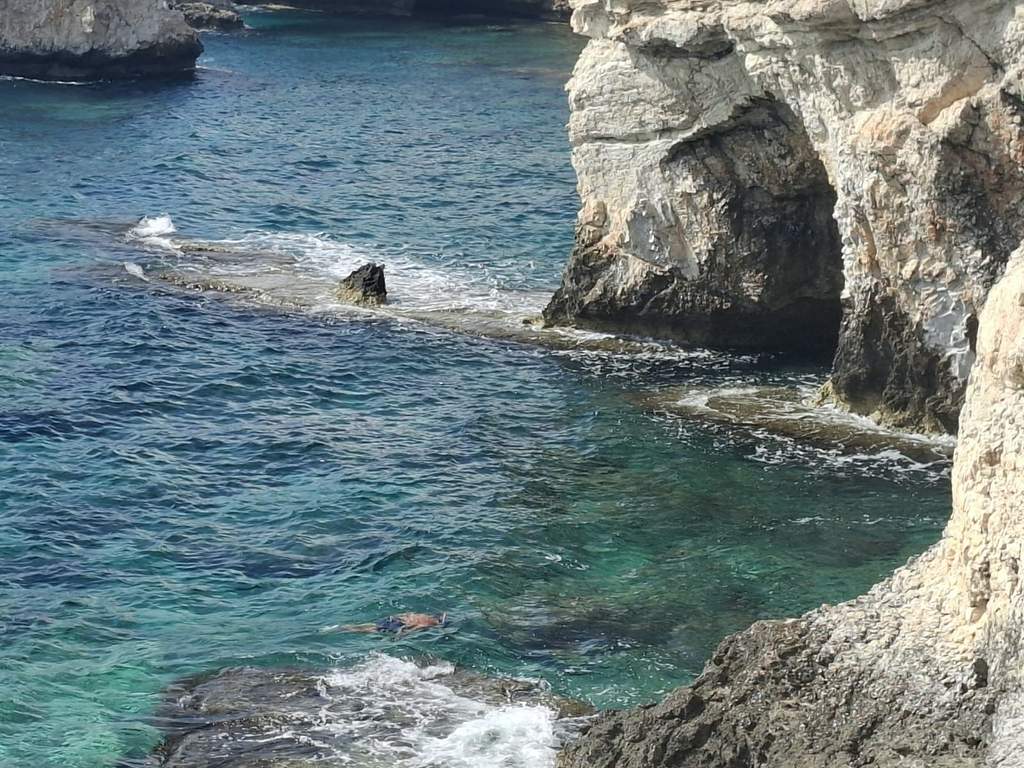
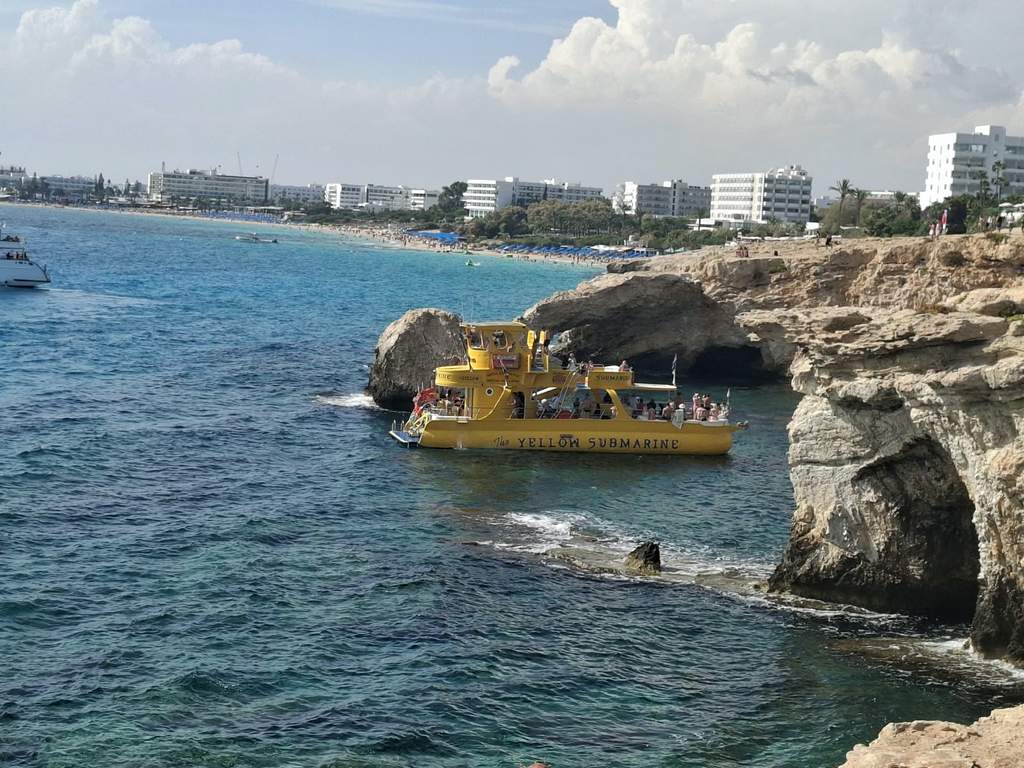
During a field visit conducted by Terra Cypria to the Ayia Napa Sea Caves MPA on 12 October 2026, we observed significant pressures and threats resulting from human activities with serious negative impacts on the area. These included the passage and anchoring of recreational boats, human disturbance, entry into sea caves, access to the prominent natural sea arch in the area, illegal fishing, coastal development, and other activities.
Terra Cypria – The Cyprus Conservation Foundation welcomes the submission of an official proposal by the Ministry of Agriculture, Rural Development and Environment to the European Commission for the inclusion of the Ayia Napa Sea Caves MPA in the List of Sites of Environmental Importance of the Republic of Cyprus, through the extension of the Natura 2000 Special Area of Conservation (SAC) of Cape Greco.
At the same time, however, Terra Cypria calls on the responsible Ministry to review and amend the existing Decree on the Prohibition of Fishing and Vessel Passage within the Ayia Napa Sea Caves MPA (Regulatory Administrative Act 46/2023), so that its provisions are aligned with those of the corresponding Decrees governing all other MPAs.
In particular, Terra Cypria calls for the prohibition on the passage and anchoring of vessels or other floating craft to be extended throughout the entire year, as is already the case in the other MPAs.
Furthermore, Terra Cypria urges the relevant competent authorities to immediately implement a comprehensive and systematic monitoring and surveillance programme for the Ayia Napa Sea Caves MPA, with the aim of ensuring proper enforcement of the legislation and effective protection of the Mediterranean monk seal in the area.